

Investing in solar power is one of the smartest ways for Australian households to take control of their electricity bills. But if you’re exploring your options, you might be wondering exactly what a 5kW solar system looks like in practice. How many panels do you need? How much space does it take up? And is it still the right size for a modern home?
While there is much more to a solar setup than just the physical hardware on your roof, knowing the fundamentals will help you make an informed choice for your home.
How Many Solar Panels Are in a 5kW System?
The exact number of solar panels needed to build a 5kW system depends entirely on the wattage rating of the individual panels you choose.
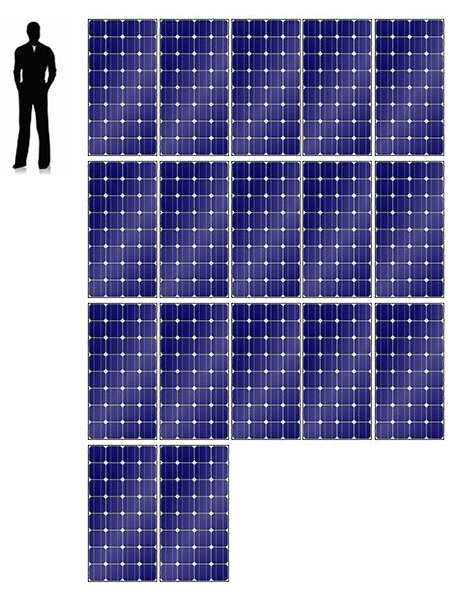
- If your installation uses 415W panels, you will only need 12 panels to achieve a 4.98kW system.
- If your installation uses 450W panels, you will only need 11 panels to reach a 4.95kW system.
Using higher-efficiency panels means you need fewer physical units on your roof to achieve the same power output, making installation cleaner and leaving more room for future expansions.
How Much Roof Space is Needed for a 5kW Solar System?
Generally speaking, a modern 5kW solar system requires around 24 to 30 square metres (m²) of roof space.
The precise footprint depends on the physical size of the panels and how they are arranged. A typical high-output residential panel measures roughly 1.8 metres by 1.1 metres. If you require 12 of these panels to reach your 5kW target, you will need a minimum of 23.76m² of clear, unshaded roof space. Keep in mind that this required area can increase slightly depending on the pitch of your roof and whether specialised framing or tilt-brackets are necessary to maximise sun exposure.
How Much Power Does a 5kW System Produce?
On average, a 5kW solar system will produce approximately 20 to 22 kWh (units) of electricity per day. However, this daily average shifts throughout the year based on a range of external factors. There are 9 primary elements that directly affect your system’s real-world energy output:
- Sunlight Hours: The total amount of direct daylight hours your property is exposed to.
- Geographical Location: Sunny regions like Brisbane naturally experience higher peak sun hours than southern capitals.
- Panel Orientation: Facing your panels north yields the highest overall daily generation, though east/west splits are increasingly popular to capture morning and late-afternoon sun.
- Tilt Angle: The incline of the panels should ideally match your local latitude to catch the sun squarely.
- Shading: Shadows from nearby trees, powerlines, or surrounding buildings can cut into your production.
- Operating Temperature: Solar panels can actually lose efficiency on extremely hot days when roof temperatures skyrocket.
- Component Efficiency: The quality and rating of your inverter and panels.
- Dirt and Debris: Dust or bird droppings on the glass can block light and reduce output.
- System Age: Natural, slow degradation over a 25-year lifespan.
Need a 5kw Solar System specialist?
We can be there today!
Our local tradies service Greater Brisbane, Gold Coast & Sunshine Coast.

Who Would Use a 5kW Solar System?
A 5kW system is an incredibly popular entry-point size. It is generally a perfect fit for:
- Small to medium households (1 to 3 people).
- Homes with an average daily electricity usage of under 20 kWh.
- Properties with limited roof space where a larger array simply won’t fit.
According to energy.gov.au, matching your system size to your actual household consumption patterns is essential to maximise your return on investment. If you have a larger family, run ducted air conditioning all day, or plan to charge an Electric Vehicle (EV), a larger system size (such as 6.6kW or 10kW) might serve you better in the long run.
How Much Does a 5kW Solar System Cost?
The average cost for a quality 5kW solar installation in Australia generally ranges between $4,000 and $6,000.
This pricing fluctuates based on:
- The brand of solar system you choose
- The number of solar panels you require
- The strength of the solar panels (e.g. 250kW vs 300kW)
- The complexity of your roof design (e.g., multi-storey or tile vs. tin)
- Additional warranty protection
- Federal STC rebates available in your area
If you decide to add a storage component right away, a standalone solar battery can add several thousand extra to the package, depending on the storage capacity.
What is the Average Payback Period for a 5kW System?
For most standard setups, the financial payback period sits between 3 to 5 years.
Your individual payback timeline is dictated by how much of the solar energy you self-consume versus how much you export back to the grid. You save the most money when you use your appliances during the middle of the day while your panels are actively producing power.
Trusted by over 8,500+ reviewers on Google.
Rated 4.6 stars from more than 8,500 reviews in Brisbane


Thinking of switching to solar power?
Navigating solar configurations doesn’t have to be complicated. If you’re ready to lower your electricity bills and step into clean energy, speak to the experts at Fallon Solutions. Our clean energy accredited solar electricians can analyse your energy bills, inspect your roof space, and custom-design a high-performance system perfectly suited to your household needs.
Call us on 1300 054 488 or enquire now.